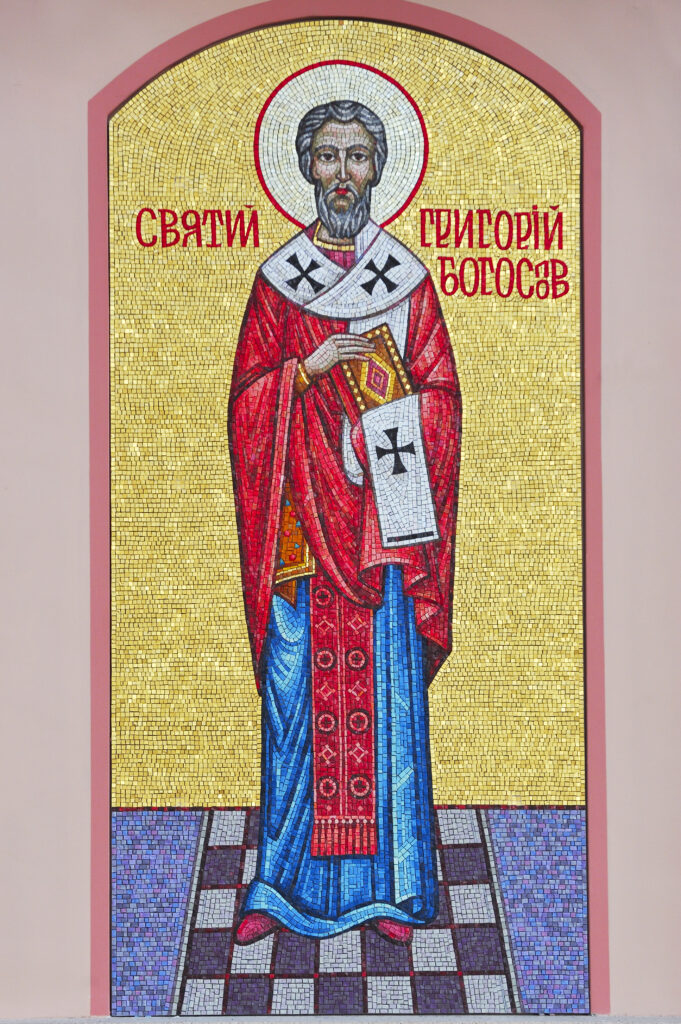
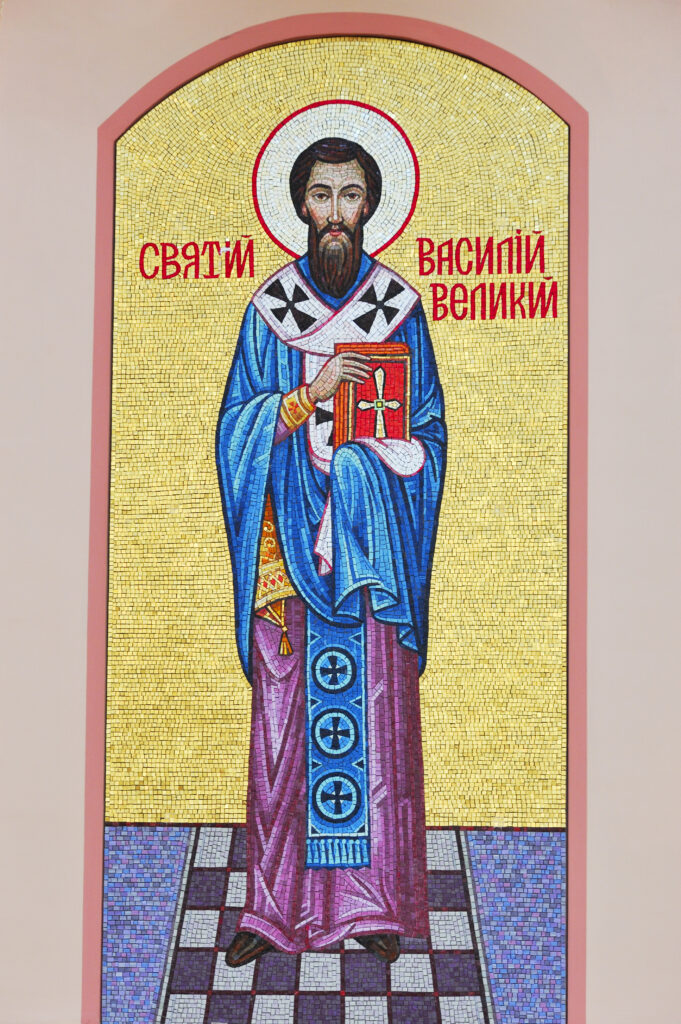
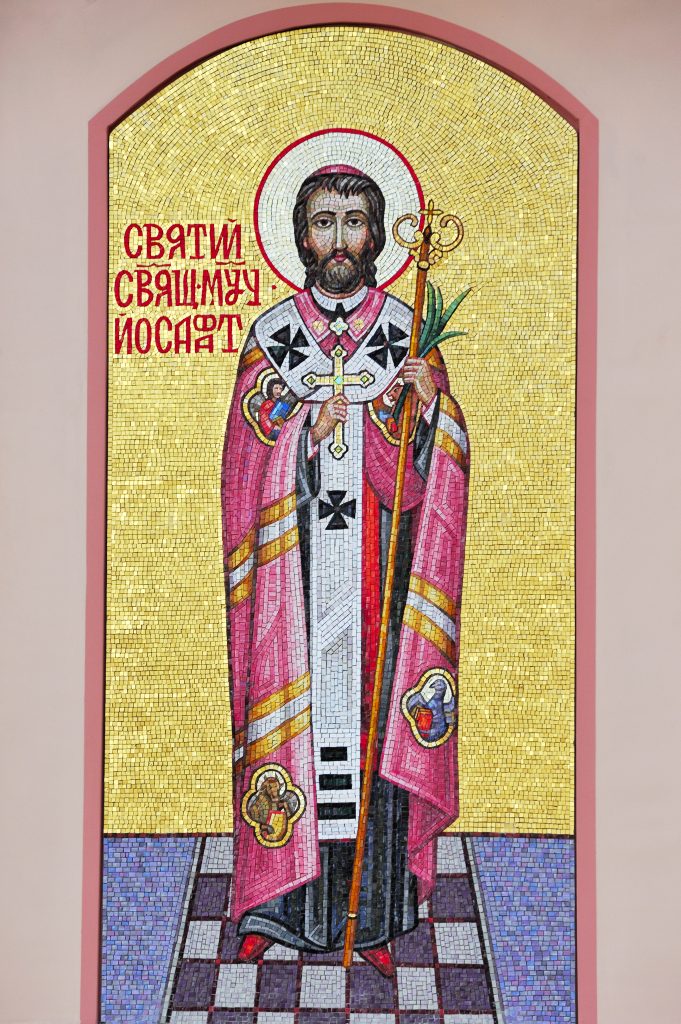
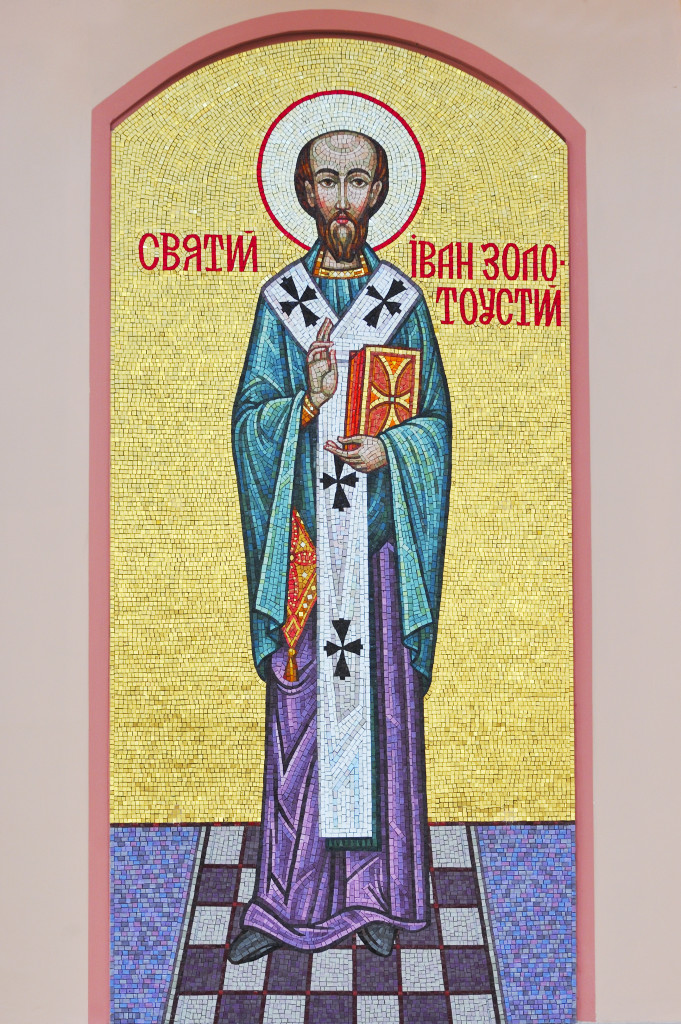
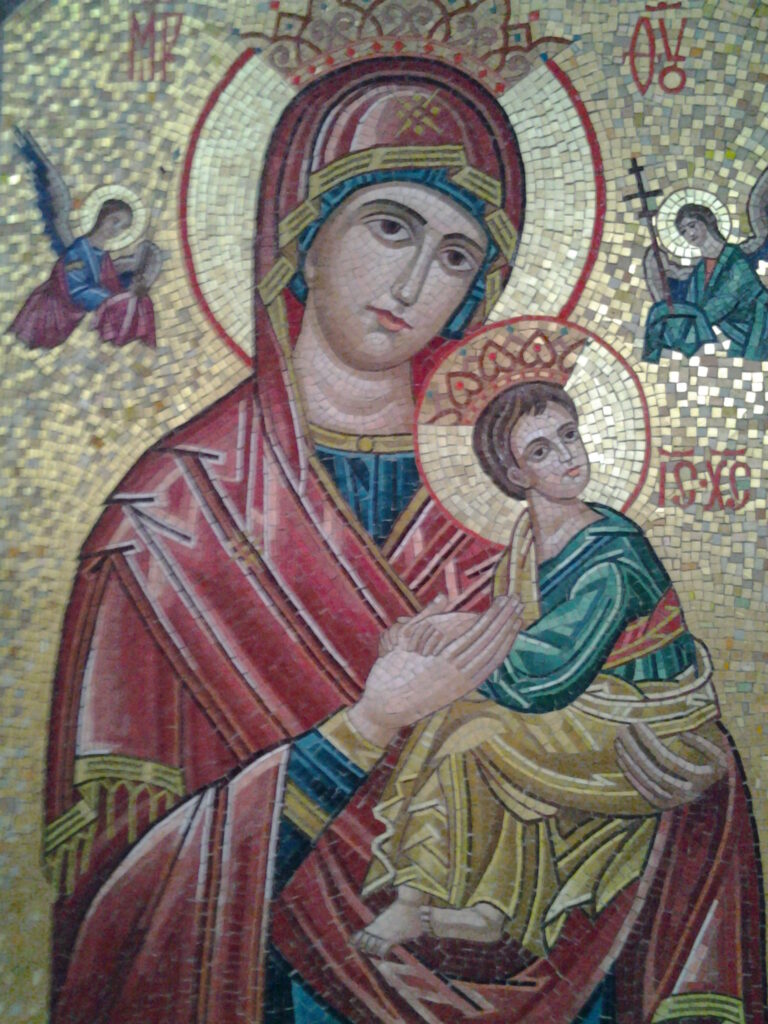
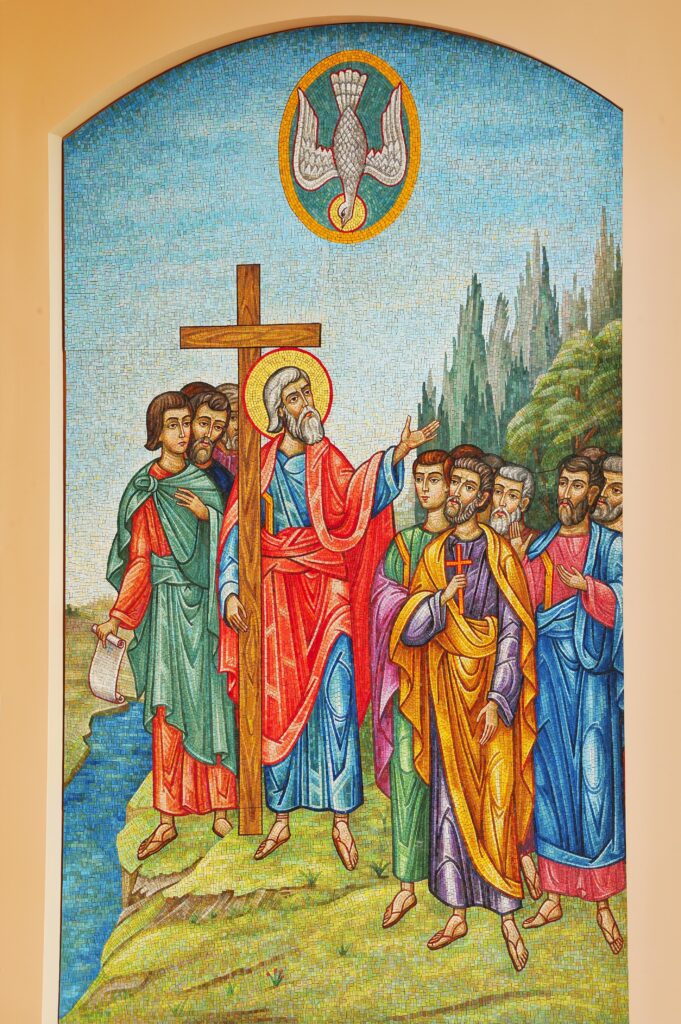
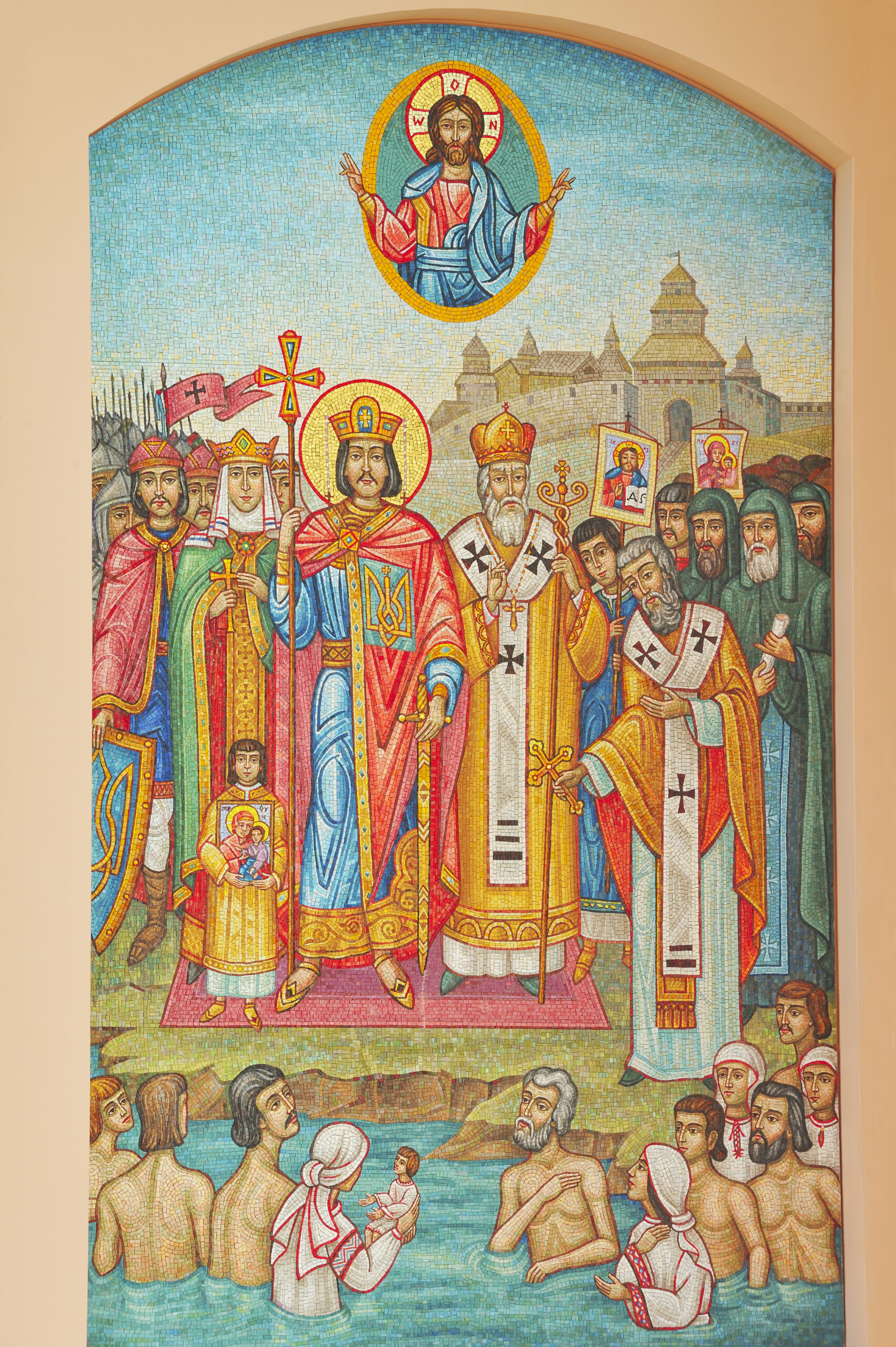
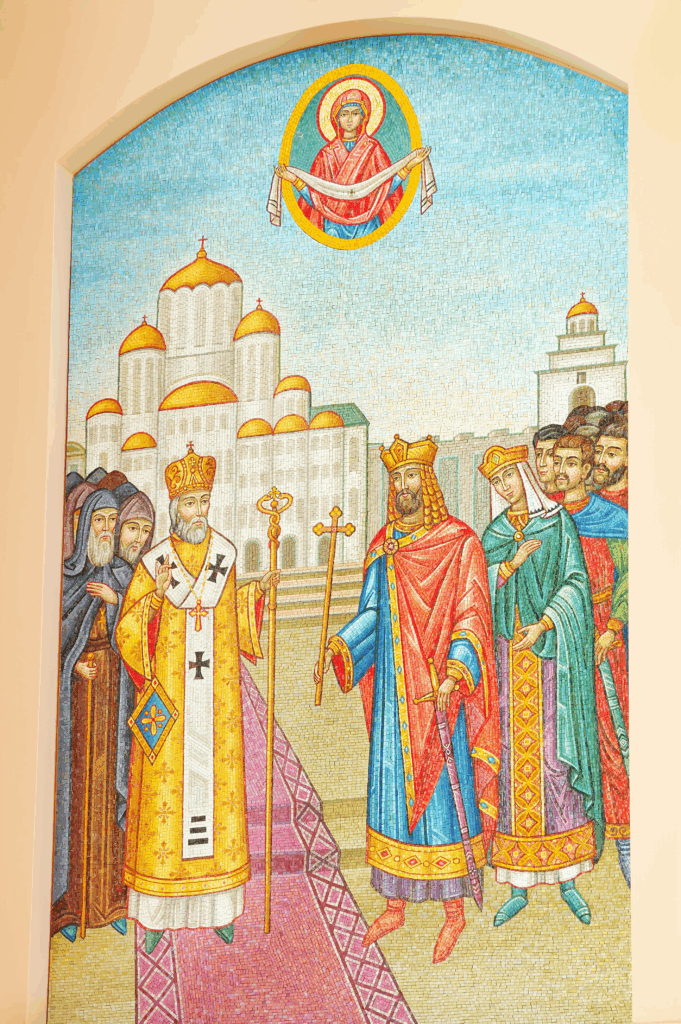
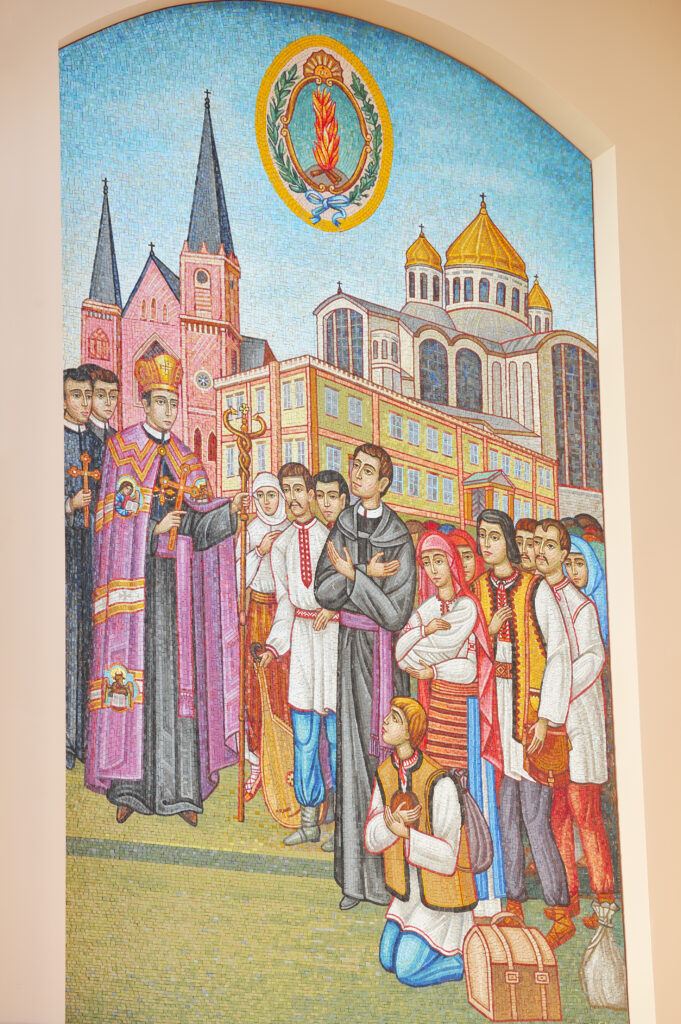
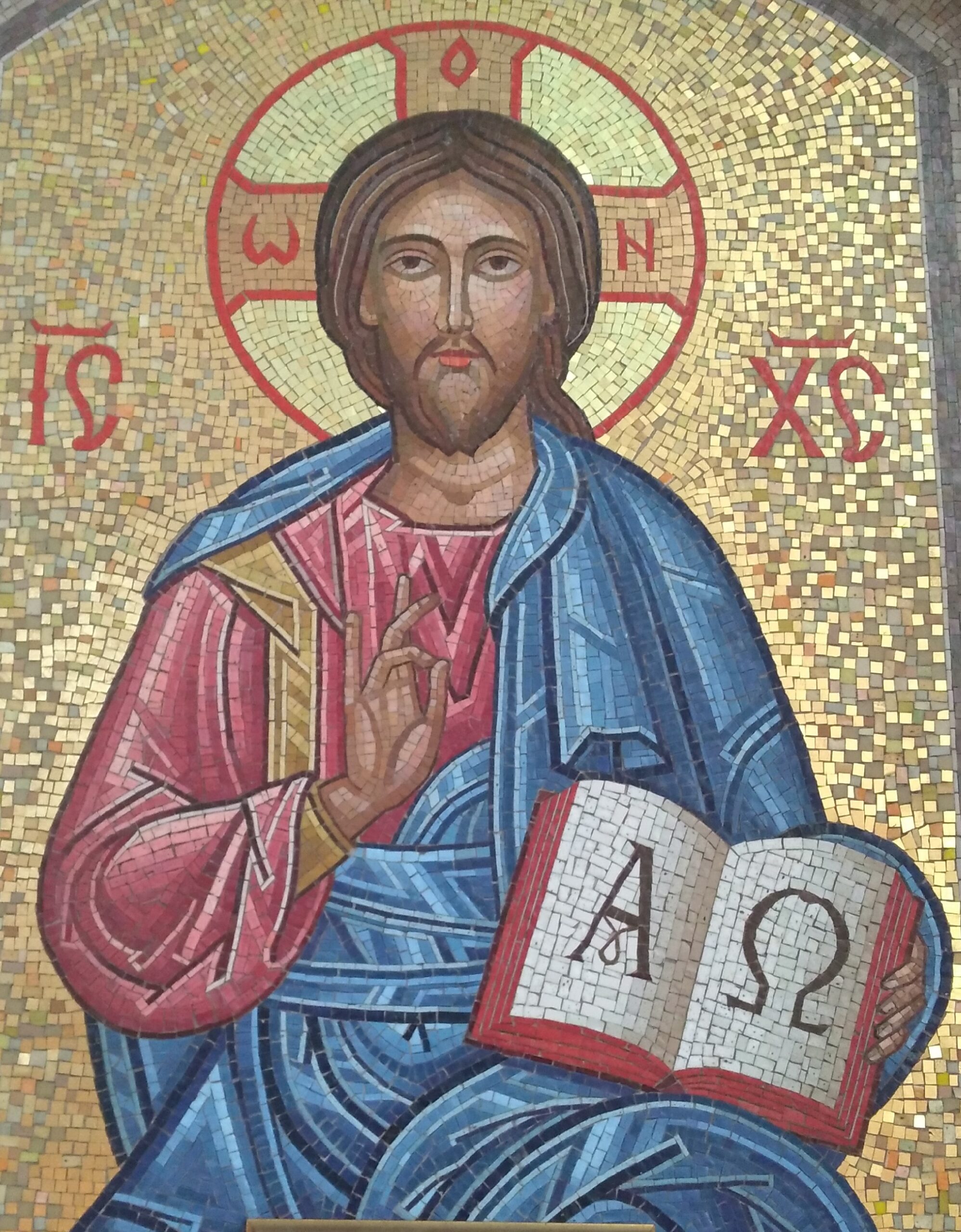
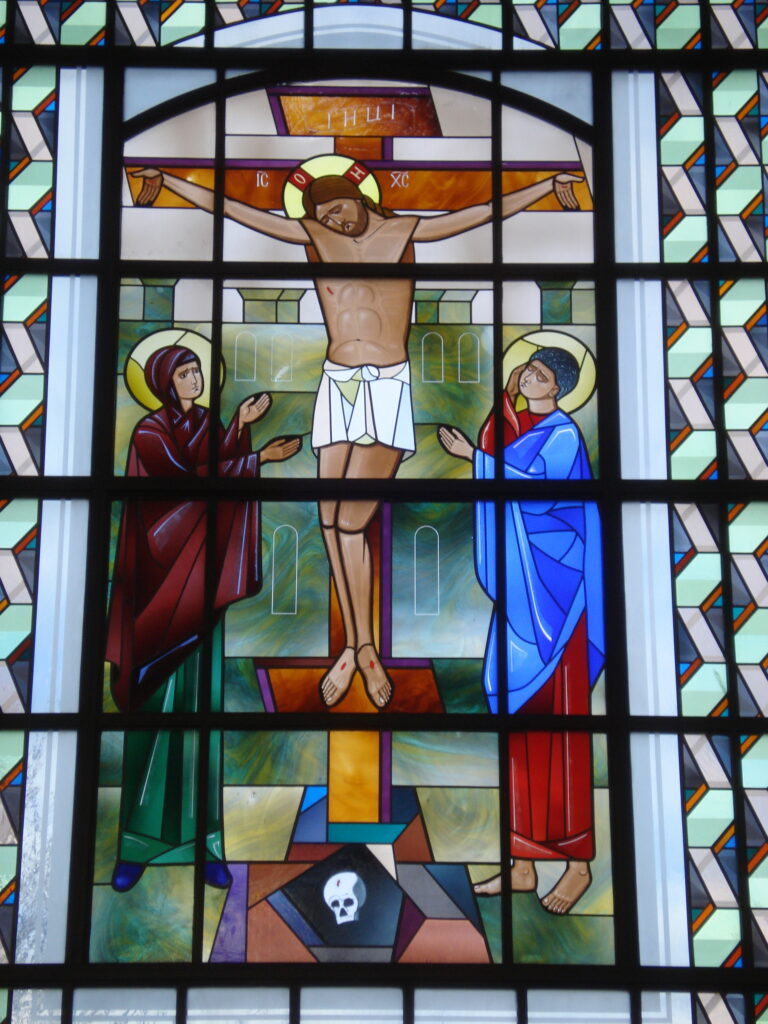
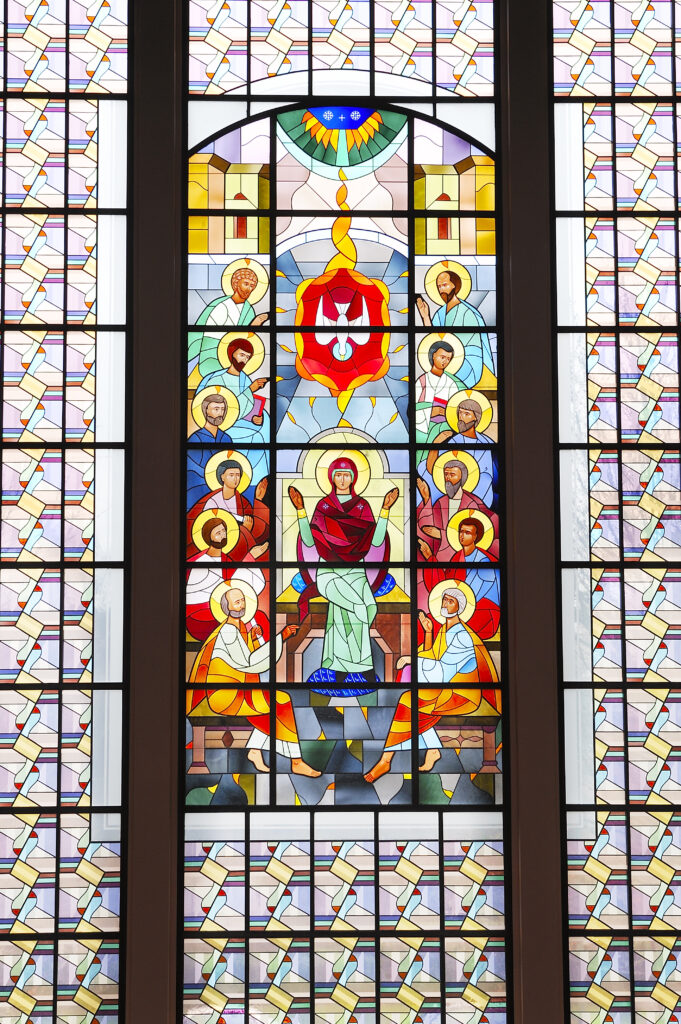
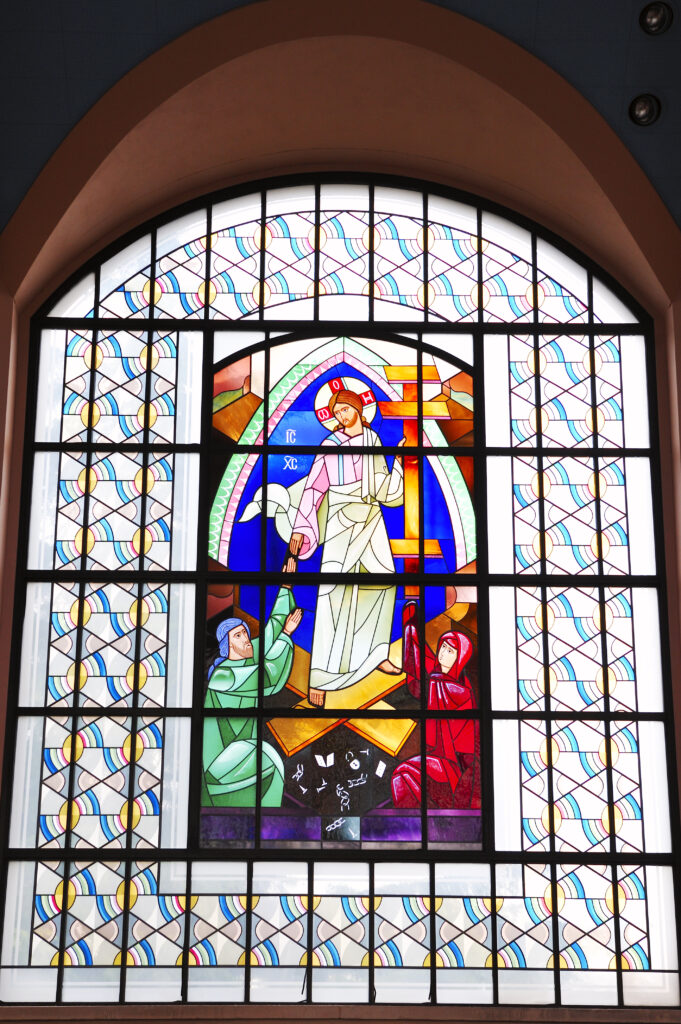
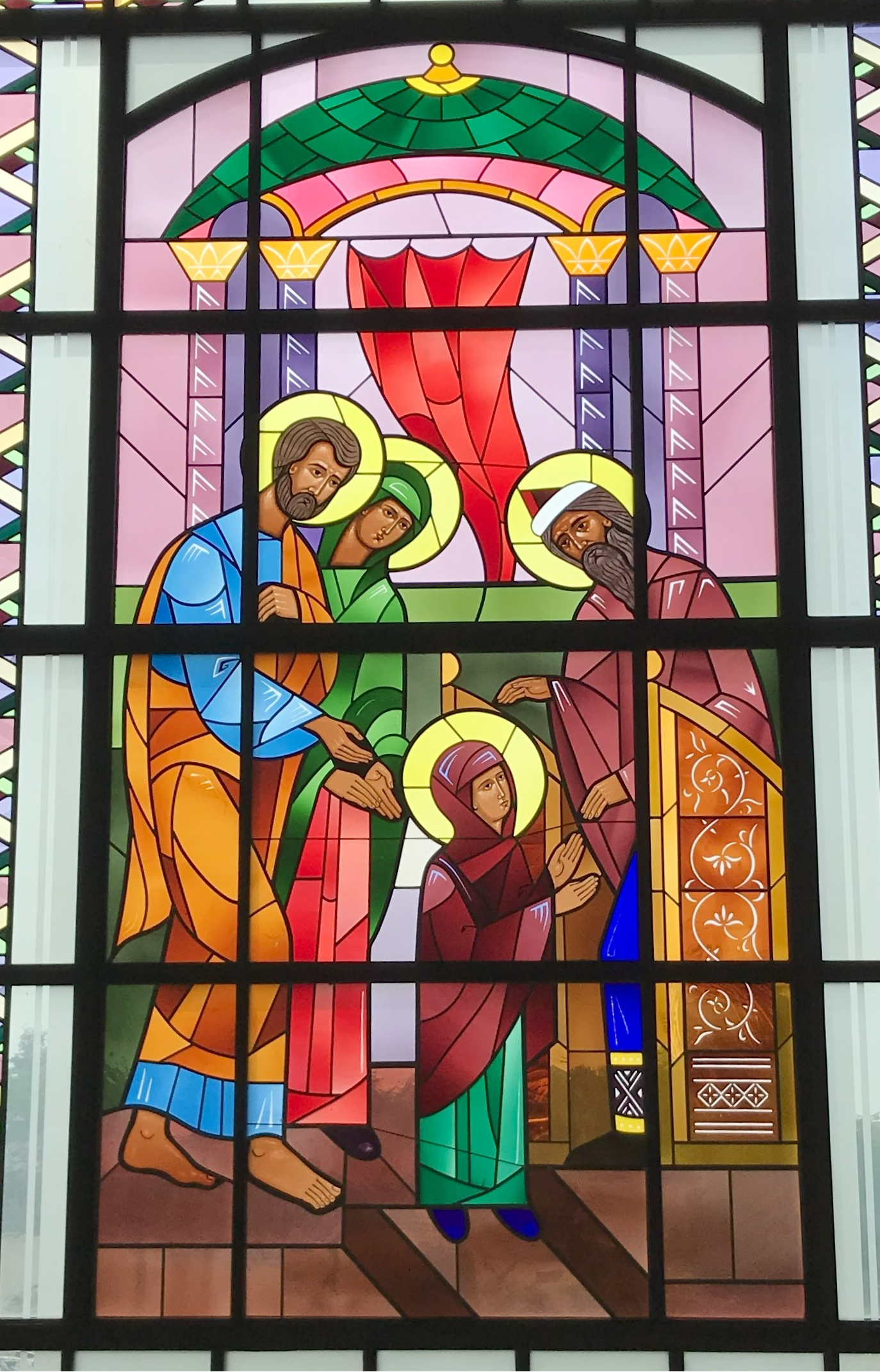
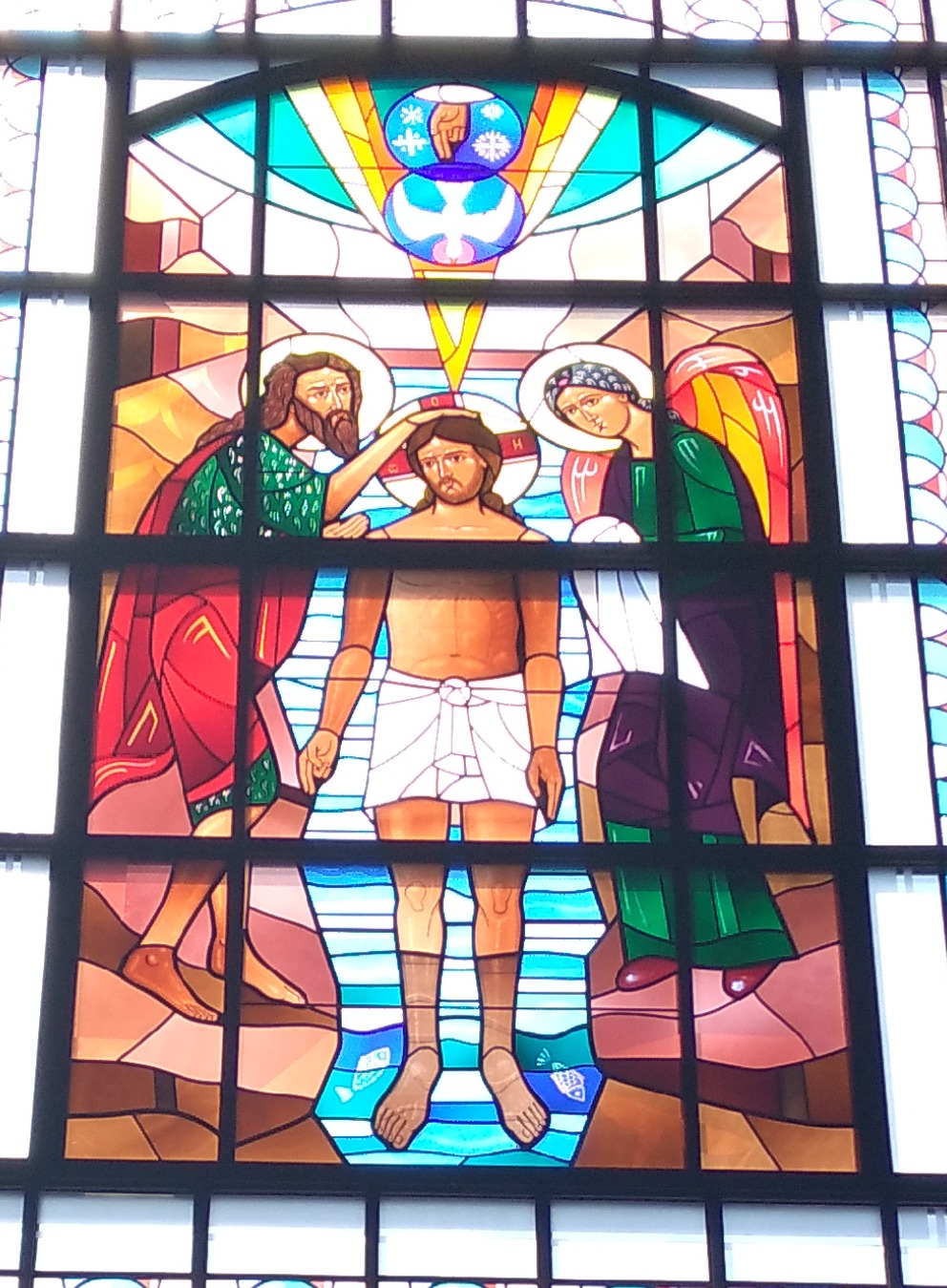
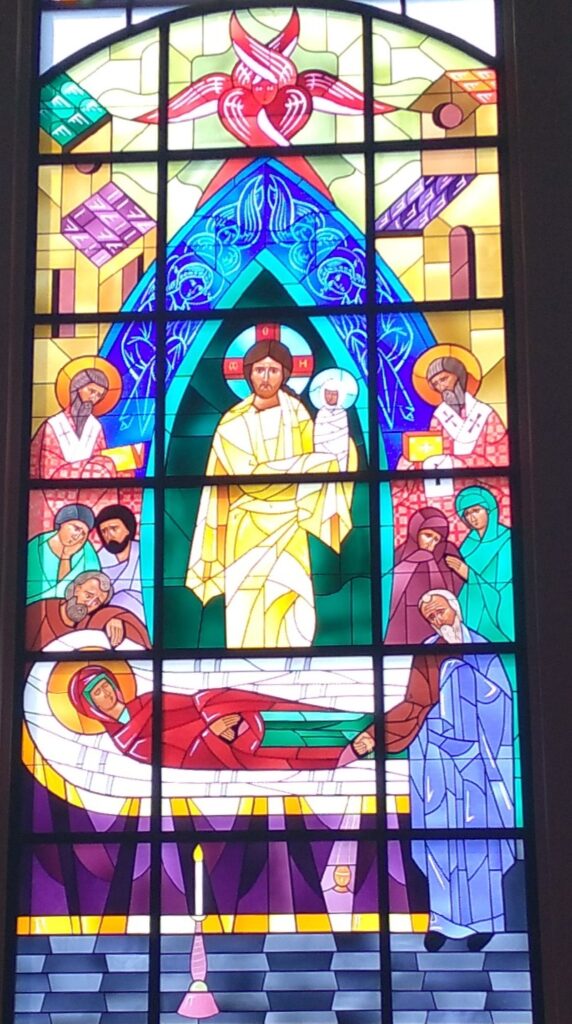
The icons, mosaics, and stained-glass windows are not mere decorations—they are a living catechism, teaching the mysteries of faith through beauty. Rooted in the Byzantine tradition, Ukrainian Catholic iconography invites the faithful to see beyond earthly forms into the divine reality they represent. Each icon is a “window to heaven,” drawing the heart into prayer and contemplation. The stained glass, glowing with vibrant hues, transforms natural light into a spiritual presence, illuminating the sanctuary with stories of Christ, the Mother of God, and the saints who guide us.
The Significance of Holy Icons in the Ukrainian Catholic Tradition
In the realm of Ukrainian Catholicism, holy icons occupy a place of profound reverence. These sacred images, steeped in history and symbolism, serve as tangible representations of the divine. They offer a way for believers to visually connect with God and other holy figures, fostering a deeper understanding of their faith. The Ukrainian Catholic tradition reveres holy icons as visual representations of faith and spiritual contemplation. This veneration of holy icons is deeply rooted in the belief that with the Incarnation of Jesus Christ, God became accessible to human sight, hearing, and touch.
What Does “The Veneration of Holy Icons” Mean?
“The Veneration of Holy Icons” refers to the practice of showing deep respect and honor towards sacred images in Ukrainian Catholicism. These icons, often depicting Jesus Christ, the Virgin Mary, saints, and angels, are not worshipped but revered as visual aids for worship and prayer. The veneration can involve actions such as kissing the icon, bowing before it, lighting candles around it, or using incense. It’s seen as a way to pay homage to what the icon represents, rather than the material image itself. This practice helps believers to focus their prayers and feel a deeper spiritual connection with the divine.
The Incarnation and the Birth of Iconography
The Old Covenant forbade any representation of God to protect people from idolatry. However, with the advent of the New Covenant, the incarnate God, Jesus Christ, became accessible to human senses, making it possible to depict Him. The oldest icons in Christian tradition include the Saviour Not-Made-by-Hands, which represents the face of Christ miraculously copied onto a cloth, and an icon of the Mother of God, believed to be created by the apostle and evangelist Luke. These icons bear witness to the conviction that icons and their veneration align with the apostolic faith.
Theological Foundation for Icon Veneration
Saint John of Damascus, one of the early Church Fathers, provided a theological basis for icon veneration. He posited that the honor we render to an icon is directed toward the Prototype it represents. In other words, we venerate not the image but the person or event depicted on the icon, lifting our minds from the image to its divine Prototype.
As you follow the layout inside, may these icons and stained-glass windows inspire reverence, wonder, and a deeper connection to the living faith of our community.
Stained glass windows and mosaics in the church, designed by renowned iconographer Boris Makarenko of New York, were installed over a period of time ending in 1992.
The Sanctuary
The Sanctuary contains the main altar and two smaller preparatory tables. The Divine Liturgy is celebrated at the main altar.
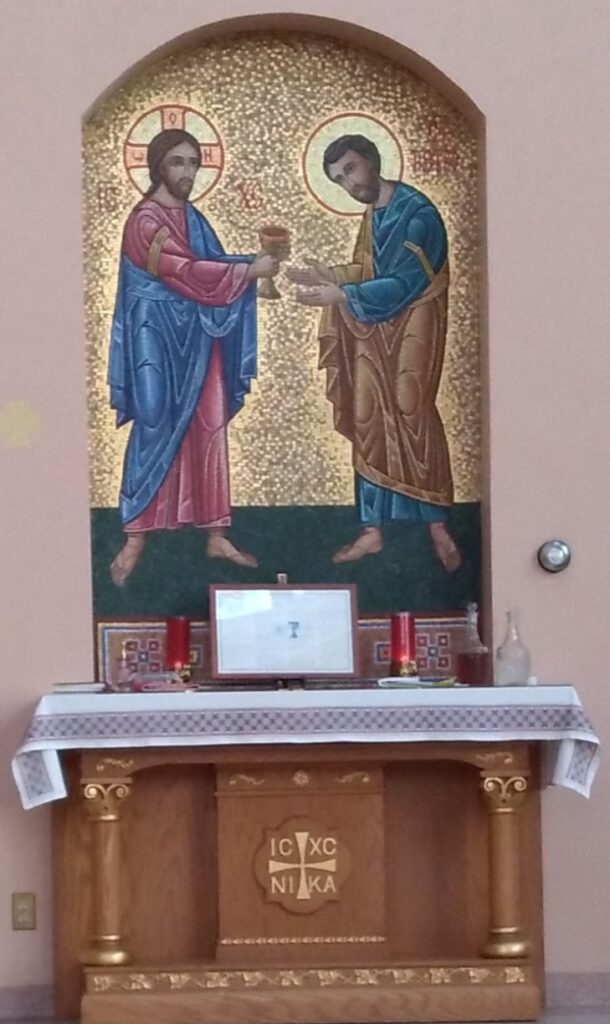
side altar left side
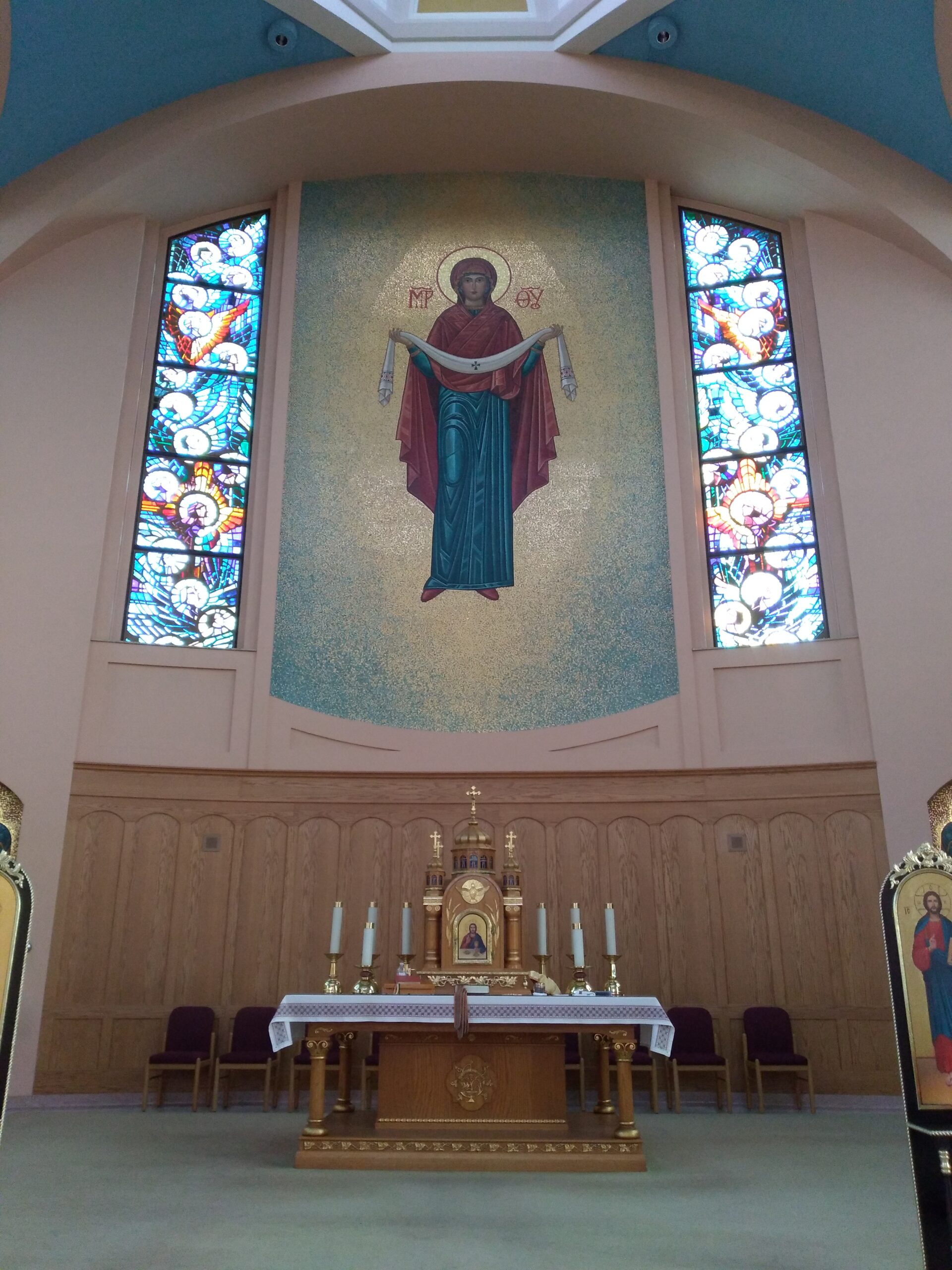
Main Altar
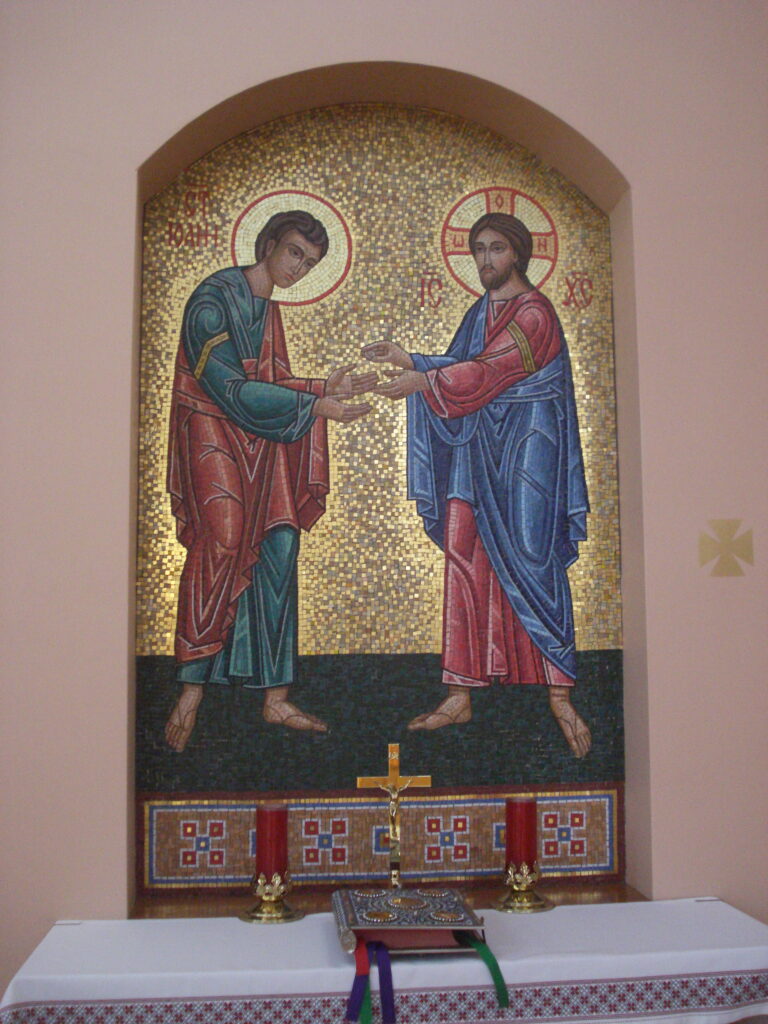
side altar right side